May 6, 2026
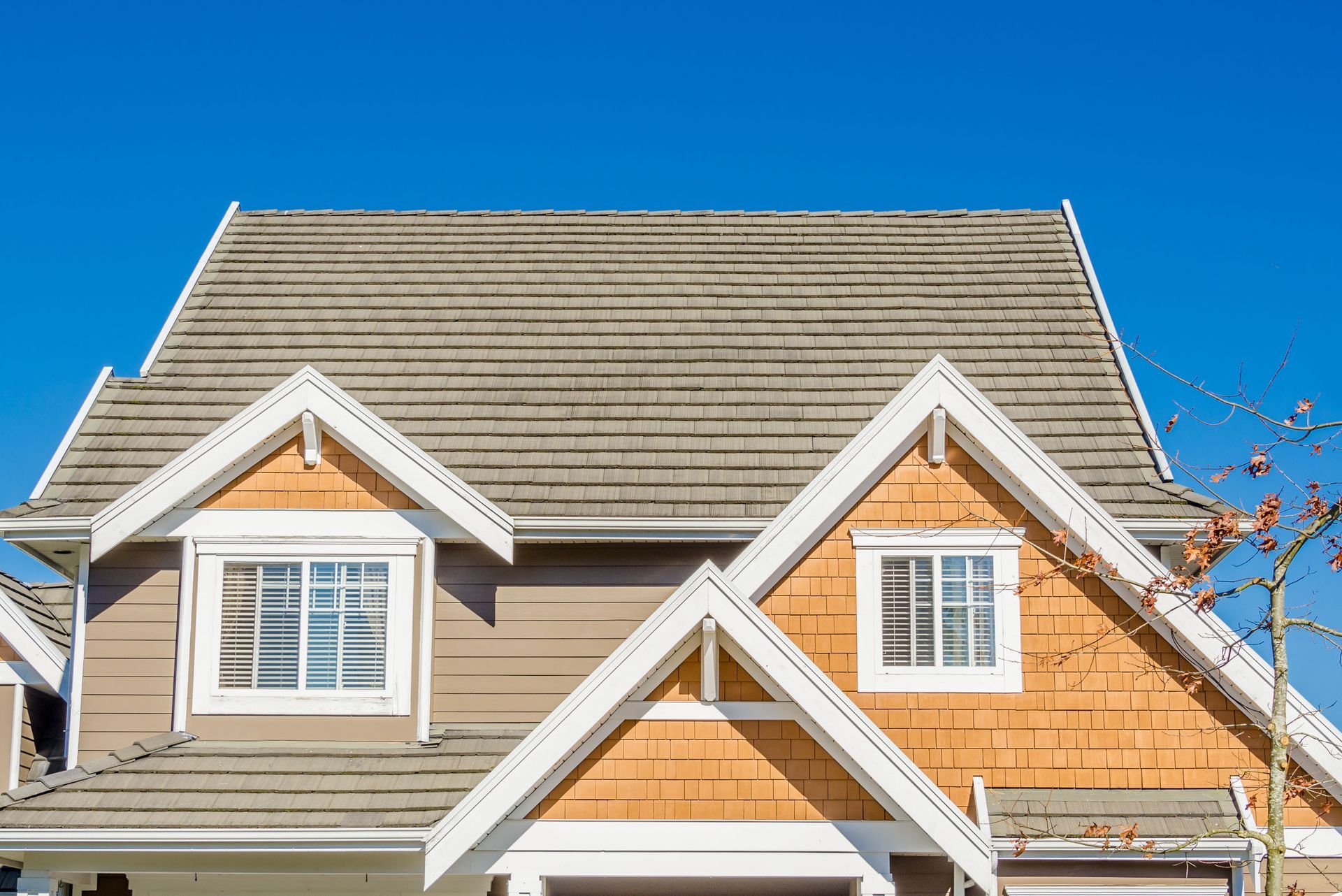
One of the first signs that a roof may need attention is visible damage on the surface. Missing, cracked, or curling shingles often indicate that the roofing system is no longer performing as it should. These issues can develop gradually due to weather exposure, aging materials, or poor installation. When left unaddressed, they can allow moisture to enter the structure and cause further deterioration.
Regular inspections can help identify small issues before they develop into costly repairs or structural concerns. Understanding what to look for makes it easier for homeowners to take action at the right time. Homeowners often notice these problems after storms or seasonal changes, when the roof has been exposed to strong winds or heavy rain. In many cases, reaching out to local roofing companies can help identify whether the damage is cosmetic or more serious. Early detection is important because small issues can quickly turn into larger repairs if ignored. A routine visual inspection can often prevent unexpected structural concerns.
1. Noticing Water Stains and Interior Leaks
Water stains on ceilings or walls are a clear indication that a roof may be compromised. These stains often appear as discoloration or spreading patches that grow over time. Even small leaks can lead to significant interior damage if they are not addressed quickly. Moisture intrusion can also affect insulation, drywall, and even electrical components.
In situations like this, homeowners often contact local roofing companies to determine the source of the leak. The visible stain inside the home is often not directly above the actual roof damage, which makes professional evaluation important. Addressing leaks early helps prevent mold growth and structural weakening. Consistent monitoring of interior spaces can help catch problems before they escalate.
2. Observing Roof Age and Material Wear
The age of a roof plays a major role in determining its condition and remaining lifespan. Over time, materials naturally degrade due to exposure to sunlight, rain, wind, and temperature changes. Even well-installed roofing systems eventually show signs of wear as they approach the end of their service life.
According to the Roofers' Guild, a typical roof lasts between 25 and 50 years, depending on the materials used and maintenance practices. This range highlights the importance of understanding how long a roof has been in place. Many homeowners consult local roofing companies when their roof reaches a certain age to assess whether repairs or replacement may be needed. Regular evaluations become more important as a roof gets older.
3. Detecting Shingle Granule Loss and Gutters Issues
Shingle granules help protect roofing materials from UV damage and weather exposure. When these granules begin to wear away, it often signals that the roof is aging or deteriorating. One common place to notice this issue is in the gutters, where granules may collect after rainfall.
This type of wear can reduce the roof’s ability to protect the home effectively. Homeowners often turn to local roofing companies to evaluate whether granule loss is within normal limits or a sign of deeper problems. If left unchecked, this condition can accelerate roof aging and reduce overall performance. Monitoring gutters regularly can provide early insight into roof health.
4. Identifying Sagging or Uneven Roof Sections
A sagging roof is a serious warning sign that should not be ignored. This condition may indicate structural issues such as weakened supports, moisture damage, or long-term deterioration. Even slight dips or uneven areas can suggest that the roofing system is under stress.
When these signs appear, it is important to seek evaluation from local roofing companies to determine the severity of the issue. Sagging often requires immediate attention because it can affect the safety and stability of the entire structure. Addressing these concerns early helps prevent more extensive repairs later. Regular observation of roof lines from the ground can help homeowners notice changes over time.
5. Recognizing Rising Energy Bills and Insulation Problems
Unexpected increases in energy bills can sometimes be linked to roofing issues. A damaged or aging roof may allow air to escape, making it harder to regulate indoor temperatures. This can lead to higher heating and cooling costs throughout the year.
Poor insulation or roof ventilation can also contribute to energy inefficiency. In these situations, local roofing companies can help assess whether the roof is affecting overall energy performance. Identifying and addressing these issues can improve comfort inside the home while also reducing unnecessary energy usage. Monitoring energy trends can sometimes reveal hidden roofing problems.
6. Observing Moss, Mold, or Algae Growth
The presence of moss, mold, or algae on a roof surface is another sign that attention may be needed. These growths often develop in areas with excess moisture or limited sunlight. Over time, they can trap moisture against the roof surface and contribute to material breakdown.
While some growth may appear harmless at first, it can lead to long-term damage if not addressed. Homeowners often contact local roofing companies to evaluate whether cleaning or repairs are necessary. Removing buildup early helps protect roofing materials and extend their lifespan. Regular maintenance can help prevent these growths from returning.
7. Noticing Flashing Damage Around Roof Features
Flashing is used to seal areas where the roof meets chimneys, vents, or skylights. When flashing becomes damaged or loose, it can create openings where water can enter the home. These areas are especially vulnerable because they experience constant exposure to weather conditions.
Even small gaps in flashing can lead to leaks over time. Many homeowners rely on local roofing companies to inspect and repair flashing before it leads to larger issues. Proper sealing around roof features is essential for maintaining overall protection. Regular inspection of these areas can help identify problems early. Many people consult local roofing companies when their roof approaches this age range to determine the best course of action. Planning helps avoid emergency repairs and unexpected damage.
Severe weather events can have a significant impact on roof condition. High winds, hail, and heavy rain can weaken materials and create hidden damage that may not be immediately visible. Even if the roof appears intact after a storm, underlying issues may still exist. After major weather events, it is often recommended to have an inspection performed. Local roofing companies can help identify damage that may not be obvious from ground level. Addressing storm-related issues quickly helps prevent further deterioration. Regular post-storm evaluations can help maintain long-term roof performance.
Changes inside the home can sometimes indicate roofing problems. Cracks in walls, peeling paint, or unusual moisture levels may be linked to roof issues. These signs often appear gradually and may be overlooked at first. When interior changes are noticed, it is important to consider whether the roof may be the source. Local roofing companies can evaluate both exterior and interior signs to determine the cause. Early detection helps prevent more extensive structural repairs. Paying attention to small changes inside the home can provide valuable warning signs.
Recognizing early signs of roof damage is essential for protecting both the structure and comfort of a home. From visible wear to hidden leaks, each indicator provides important information about overall roof condition. Regular observation and timely attention can help prevent more serious issues from developing over time. For professional inspection, repair, and restoration services, contact 1st Gen Roofing & Restoration LLC to connect with experienced local roofing companies dedicated to protecting your home.